Coaching Is Not an Entry-Level Skill

Why Great Operators Struggle as Coaches, and What It Takes to Do It Well
By: Stephanie Benze, Director of Education at AC Inc.
🔍 In This Article You’ll Find:
- Why coaching is not a natural next step from operations
- The hidden costs of untrained or unsupported coaches
- How Coaching Style awareness and DISC strengthen team design
- What it really takes to shift from fixing problems to developing people
- A repeatable path that turns operators into confident growth guides
Coaching Isn’t Ops with Better People Skills
There’s a common assumption in franchising, and honestly, in most organizations, that great operators naturally make great coaches.
They know the numbers.
They know the systems.
They care deeply about results.
So when it’s time to support franchisees, train others, or “coach,” they feel like the obvious choice.

But coaching isn’t just operations with better people skills.
It’s a fundamentally different role.
Coaching requires restraint instead of urgency. Curiosity instead of certainty. Guidance instead of direction.
And for high-performing, action-oriented operators, that transition can feel surprisingly unnatural.
I know this because I’ve lived it.
I’ve taken more personality and communication assessments than I can count, probably close to a hundred by now. Not because I love quizzes, ok maybe I do, but also because I’ve always wanted to understand how people work… and how I work within systems.
I grew up as the only girl in a family full of loud, rough-and-tumble doers. Leadership was demanding. Direct. Get-it-done. That environment built resilience and action bias, traits that fueled a lot of my success.
But it also wired me to equate leadership with volume, urgency, and control.
Which works incredibly well… until it doesn’t.
When Support Backfires
Here’s the part that took me a long time to fully understand.
Before I ever had a leadership title, I was already leading.
I was coaching without calling it coaching. I was building confidence, guiding decisions, creating accountability, and helping people think for themselves. The results were there, that’s why I was promoted in the first place.
But once the title showed up, so did all the unspoken rules I had absorbed over the years about what “real leadership” was supposed to look like.
Demand results.
Control outcomes.
Lead with authority and compliance.
I didn’t stop believing in people, I stopped trusting my own way of leading.
And the moment I shifted from how I naturally led to how I thought I should lead, everything started to fall apart.

People stopped taking initiative.
They waited.
They became afraid to get it wrong.
I hadn’t become a better leader.
I’d created a fear of failure where there used to be permission to learn.
That’s the trap.
When the pressure for results increased, I assumed the only way to get there was their way, even though my way had already proven it worked.
And this is where support quietly backfires.
Franchisees disengage because every conversation trains them to wait instead of think.
Coaches burn out because they’re carrying everyone else’s responsibility.
Brands experience inconsistency because support depends on who shows up, not how support works.
The intent is good.
The outcome isn’t.
Coaching Style Awareness Changes Everything
One of the biggest shifts in my own leadership came from understanding how I coach, not just what I know.
I’m naturally high-D and high-C: decisive, structured, action-oriented. Those traits helped me rise quickly. But under pressure, they also made me default to fixing, directing, and controlling.
It took years of intentional work, and repeated assessments, to soften those edges and let influence, steadiness, and curiosity lead instead.
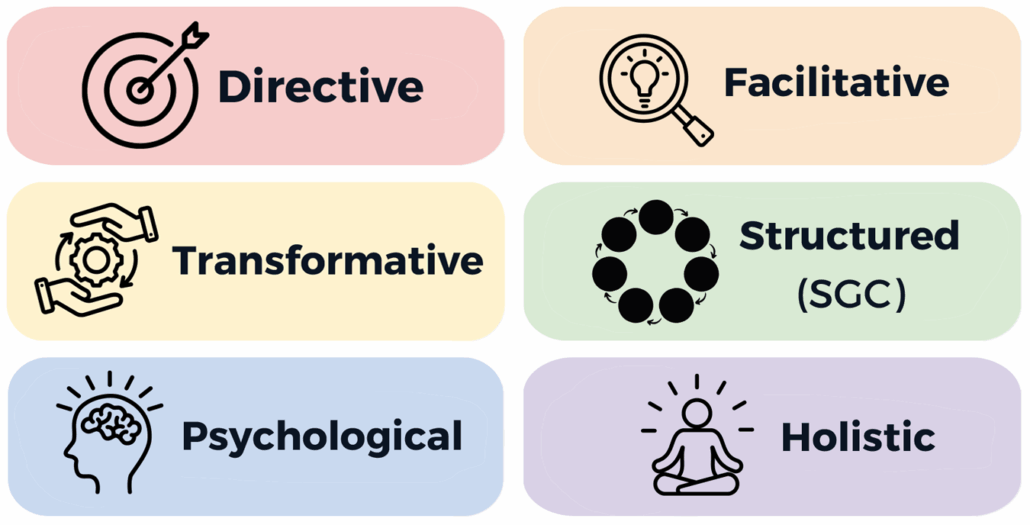
This is why Coaching Style awareness matters.
Different styles bring different strengths, and different blind spots:
- A highly structured coach may deliver clarity but avoid emotional depth.
- A transformative coach may inspire connection but struggle with follow-through.
- A directive coach may create momentum but unintentionally limit ownership.
When teams lack this awareness, they don’t design for balance, they design by accident.
DISC and Coaching Style frameworks don’t put people in boxes.
They give us language, perspective, and choice.
And choice is the foundation of growth.
Frameworks Are the Safety Net When Instincts Fail
Even with self-awareness, instincts fail under pressure.
That’s where frameworks matter.
Without a shared methodology, coaches either invent their own processes or avoid structure altogether.
Sessions become inconsistent. Accountability lives in someone’s head. Momentum stalls.

Cadence creates rhythm.
Tools create accountability.
Structure creates sustainability.
Together, they create forward motion that doesn’t rely on heroics.
Frameworks like Strategic Growth Coaching don’t replace a coach’s personality, they protect it. They reduce decision fatigue, create shared language, and ensure follow-through doesn’t depend on memory or urgency.
Cadence without tools creates busywork.
Tools without cadence create binders on shelves.
Together, they create traction.
Leading the Leaders
Here’s a question franchisor leadership teams don’t ask often enough:
How are we developing the people responsible for developing everyone else?
Because field coaches and support leaders are your front-line leaders. They’re coaching, training, influencing, and mentoring the other leaders in your system, your franchisees.

Simon Sinek says the best leaders he knows are students of leadership. They’re obsessed with learning how to do it better.
If that’s true, and I believe it is, then coaching teams deserve the same level of investment, reflection, and support we expect them to provide.
As franchisors, we often create misalignment without realizing it.
We say we want coaching, but we hand our teams tools designed for consulting.
We say we want empowerment, but we reward compliance.
We ask for leadership, then model command-and-control.
Without professional development, clarity of role, and permission to lead in their own style, even the most capable people will default to what feels safest.
And for many, that means control instead of coaching.
You can’t mandate coaching behaviors you don’t model.
You have to coach the coaches.
The Path to Coaching Maturity
Most coaches didn’t sign up to be coaches.
They were promoted into it.
That’s why a clear development path matters. One we often see looks like this:
- Operator
- Fixer
- Confused Coach
- Growth Guide
Each stage requires different skills, tools, and support.
Education builds confidence.
Style awareness builds adaptability.
Frameworks build consistency.
And together, they turn capable operators into impactful coaches.
✨ Bottom Line: Coaching Is a Craft, Treat It Like One
Coaching isn’t intuitive.
It isn’t automatic.
And it certainly isn’t entry-level.
It’s a learned craft, one that requires self-awareness, education, and systems that support growth over heroics.
When we invest in coaches the way we expect them to invest in franchisees, everyone wins.
And that’s how support stops feeling heavy, and starts driving real, sustainable growth.

Ready to Build Coaches, Not Just Support Roles?
If your field support team was promoted for their operational excellence, but never trained for coaching, you’re not alone.
And you don’t have to leave their growth to chance.
AC Inc. helps franchisors develop confident, capable coaches through education, coaching style awareness, and a proven Strategic Growth Coaching framework, so support becomes consistent, scalable, and sustainable.
👉 Explore Coaching Development with AC Inc.
💡 Want More Bite-Sized Coaching Tools?
Subscribe to the weekly newsletter for tools, insights, and stories that help you coach franchisees toward lasting satisfaction and sustainable success.