
Why Do Some Franchisees Take So Long to Get Off the Ground?
JOIN A ROUNDTABLE
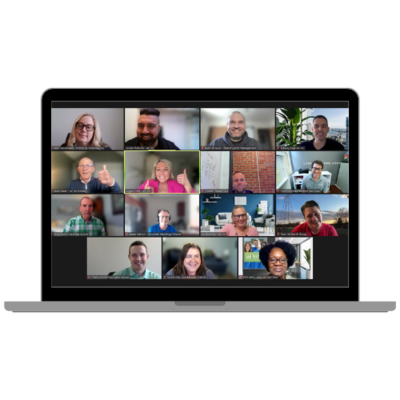
Weekly learning for franchise professionals

New franchisees can struggle to gain momentum when operational training isn’t matched by practical business development skills, realistic ownership expectations and consistent coaching. Insufficient working capital, limited owner involvement and marketing that starts too late can also slow franchisee ramp-up.
This can happen even when a franchisor has invested significantly in training and resources. A franchisee may understand the operating procedures, have access to a marketing playbook and know how to deliver the product or service, yet still struggle to generate business.
At AC Inc., our advisors see a recurring gap between preparing franchisees to operate and helping them develop into capable business owners. The distinction matters when a slow start is being attributed to effort or motivation.
Franchisees are responsible for executing the system. Franchisors need to examine whether their preparation, training and support have equipped owners to do that work.
In this article:
- Why training and resources don’t always translate into growth
- How financial preparation and ownership expectations affect ramp-up
- Why local marketing needs to start before opening
- How gaps in coaching and early habits can hold owners back
- Three questions to assess your new-franchisee support
Why isn’t operational training enough for new franchisees?
Knowing how to make the smoothie is important. Knowing how to get customers through the door requires additional skills.
That distinction comes through strongly in AC Inc.’s work with franchise support teams. Brands can be highly effective at teaching owners how to deliver a product or service, follow procedures and maintain standards. Business development may receive less practical attention.
Franchisees might receive a comprehensive marketing playbook, lead-generation templates, community outreach guidelines and an hour of social media training. The assumption is that they now have what they need to execute.
But access to a resource does not establish that an owner can use it effectively.
A playbook can describe community outreach. A new franchisee may still lack the confidence to introduce themselves to a neighbouring business, explain the value of a partnership or follow up after an initial conversation.
Developing that capability takes hands-on practice, feedback and opportunities to improve. Franchisors need to consider whether growth-related training receives the same depth of attention as operational training.
Being able to purchase a franchise doesn’t mean being prepared to grow it
New owners need enough financial runway to operate while they build demand. Their investment extends beyond the purchase, equipment and opening costs.
Payroll, marketing, operating expenses and personal income needs continue while sales develop. Unexpected delays or slower-than-anticipated revenue can put pressure on working capital.
That pressure can also change how an owner behaves.
A franchisee concerned about short-term survival may cut marketing spending or take on more operational responsibilities themselves. Both responses can reduce the time and resources available for generating new business.
Time needs equally realistic consideration. Some owners enter with an absentee or semi-absentee mindset. Others expect to continue another job without fully understanding the attention their franchise will require during launch.
The important question is whether their planned involvement fits the demands of the business model and stage of ownership.
Financial and time expectations need to be addressed before opening, while prospective owners can still prepare for them.
Ownership expectations are shaped during recruitment
A proven business model still requires an owner to execute it.
Marketing, hiring, financial management, local relationship building and business development are all part of ownership. An enthusiasm for the product or service does not automatically prepare someone for those responsibilities.
AC Inc.’s advisor feedback highlights a difficult issue: franchisors may avoid uncomfortable recruitment conversations because they don’t want to discourage a prospective franchisee.
But leaving those expectations unclear can create frustration after opening.
Prospective owners need to understand what the franchisor provides, what they will be responsible for and which activities will require their personal attention. That includes the less exciting responsibilities, alongside the appeal of the brand and its product or service.
Those conversations help establish a realistic starting point for the relationship.
Local marketing needs to begin before opening
Opening day should not be the first day a franchisee begins generating awareness.
Community relationships, local partnerships and customer interest take time to develop. A grand-opening event, limited advertising or a few social media posts cannot replace that ongoing work.
The level of effort required also depends on local brand recognition.
AC Inc.’s advisors have observed that even experienced franchisees can underestimate the challenge of introducing a less familiar brand into a market. Experience with an established name does not mean the same level of awareness will exist for another business.
Franchisees need realistic expectations about the demand they are entering the market with and the work required to build it.
They also need practical preparation for their role in that process. Providing marketing materials is useful, but owners must understand how to use them, build relationships and participate in generating local demand.
Why doesn’t training always lead to consistent action?
Training can introduce a skill without establishing the confidence, proficiency or habits needed to use it consistently.
New franchisees often receive a large amount of information during onboarding. Some lessons are immediately relevant. Others may not be used for weeks or months.
When training is heavily focused on presenting information, owners may have limited opportunities to practise before they are expected to perform an activity independently.
The timing matters, too. Essential financial knowledge, including budgeting, cash flow and break-even awareness, belongs early in the ownership journey. More detailed analysis can develop as owners have actual business results to examine.
AC Inc.’s advisors emphasize continued learning that connects instruction with application. Owners need opportunities to try a skill, receive feedback and build on what they have learned.
Even then, good training does not guarantee consistent execution. The owner still needs to make time for the activity and work through the challenges that arise when applying it.
Owners can become busy with the work they already know
A franchisee can be working hard while giving too little attention to activities that would help grow the business.
New owners face immediate operational demands: serving customers, managing employees and solving problems. They may also gravitate toward responsibilities that feel familiar.
One observation from AC Inc.’s advisors is that previous experience can shape where an owner focuses. Someone with a marketing background may concentrate on marketing. Someone with a financial background may spend more time on the numbers.
That experience is valuable, but unfamiliar responsibilities can be avoided even when they are essential to growth.
Without guidance, the owner’s week can become organized around urgent tasks and personal comfort rather than the priorities of the business.
Early routines matter. If planning, business development and performance reviews are continually pushed aside, reactive habits can become harder to change later.
Reactive support can leave the execution gap unresolved
New franchisees need support that helps them apply their training and develop ownership skills.
A field team may be highly knowledgeable about the operation but less prepared to teach business development, coach behaviour change or help owners follow through.
When support centres on answering questions and solving immediate problems, important growth activities may receive little attention. The franchisee may not have clear expectations for what they should be doing each week or a consistent opportunity to discuss what is getting in the way.
A completed activity checklist also provides only part of the picture. A coach needs to understand whether the owner can perform the activity effectively, why execution is difficult and what support would help.
The gap between knowing the system and coaching an independent owner is significant. Developing the field team’s ability to train, coach and reinforce action is part of preparing franchisees for success.
Three questions to ask before judging a slow start
1. Did we establish realistic ownership expectations?
Review whether the franchisee understood the time commitment, working capital requirements and responsibility for generating local demand.
Were those expectations addressed clearly during recruitment and preparation? Does the owner understand which responsibilities belong to them and what the franchisor will provide?
2. Did we develop practical business-building skills?
Look beyond the training sessions attended and resources supplied.
Has the franchisee practised sales conversations, community outreach and other activities relevant to the model? Have they received feedback? Can they demonstrate the skills they are expected to use?
A resource gap and a skill gap require different responses.
3. Does ongoing support help the owner execute?
Consider whether someone is helping the franchisee prioritize growth activities, review progress and work through barriers.
Are expectations clear? Does follow-up explore the reasons behind incomplete or ineffective activity? Is the support team equipped to help owners develop the skills and habits they need?
These questions help identify where additional training, coaching or practical assistance may be required.
Examine the support journey alongside the sales results
Slow ramp-up can put pressure on franchisee working capital, delay profitability and increase demands on the franchisor’s support team. It can also contribute to frustration and weaker franchisee validation.
That makes early preparation and support a business growth priority.
Franchisees need realistic expectations, adequate resources and a willingness to do the work. Franchisors need to develop the capabilities that help owners turn that effort into effective action.
For your next review of a new franchisee’s progress, examine expectations, practical skills and ongoing execution support alongside the sales results.
Getting a franchisee open is a milestone. Helping them develop into a capable business owner requires continued attention.
Need help identifying gaps in your franchisee onboarding and ongoing support? Explore AC Inc.’s Franchise Support Advising.
RESOURCE DOWNLOAD
PODCAST
NEWSLETTER
November 4, 2026

MORE RESOURCES
TALK TO OUR TEAM
AC Inc. Roundtables
Copyright 2019 - 2026 AC Inc. All Rights Reserved. | Privacy Policy. | Terms & Conditions
Your Field Team is the Hidden Profit Lever.


Stay connected with AC Inc.
Get insights, podcast episodes, webinar updates, and franchise coaching resources delivered to your inbox.

About
Company
Shop
Contact Us
Develop the Franchisees
Fix the Coaching & Support
How We Help
Speaking
Blog
Resources
Roundtables
Podcast
Resource Library
The ACademy
JOIN OUR NEWSLETTERCopyright 2019 - 2026 AC Inc. All Rights Reserved. | Privacy Policy. | Terms & Conditions
Your Field Team is the Hidden Profit Lever.
Stay connected with AC Inc.
Get insights, podcast episodes, webinar updates, and franchise coaching resources delivered to your inbox.
About
Company
Shop
Contact Us
Develop the Franchisees
Fix the Coaching & Support
How We Help
Speaking
Blog
Resources
Roundtables
Podcast
Resource Library
The ACademy
JOIN OUR NEWSLETTER